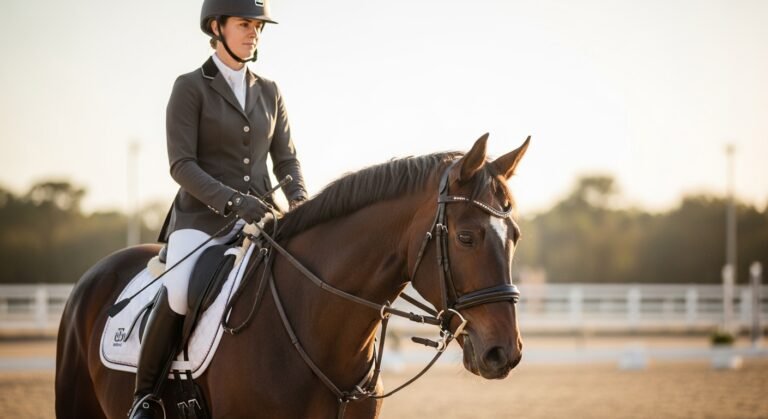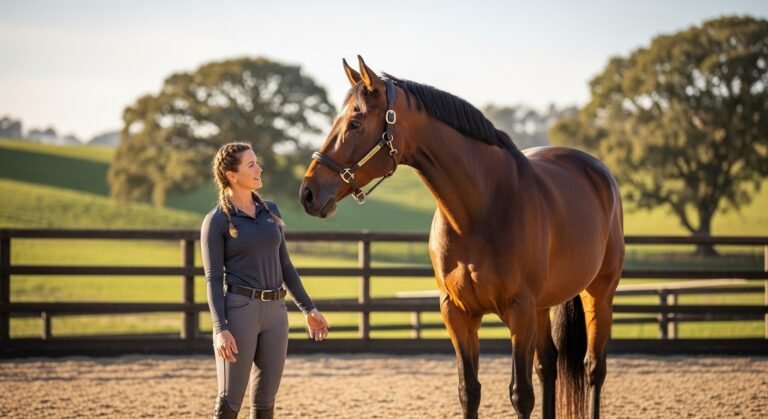
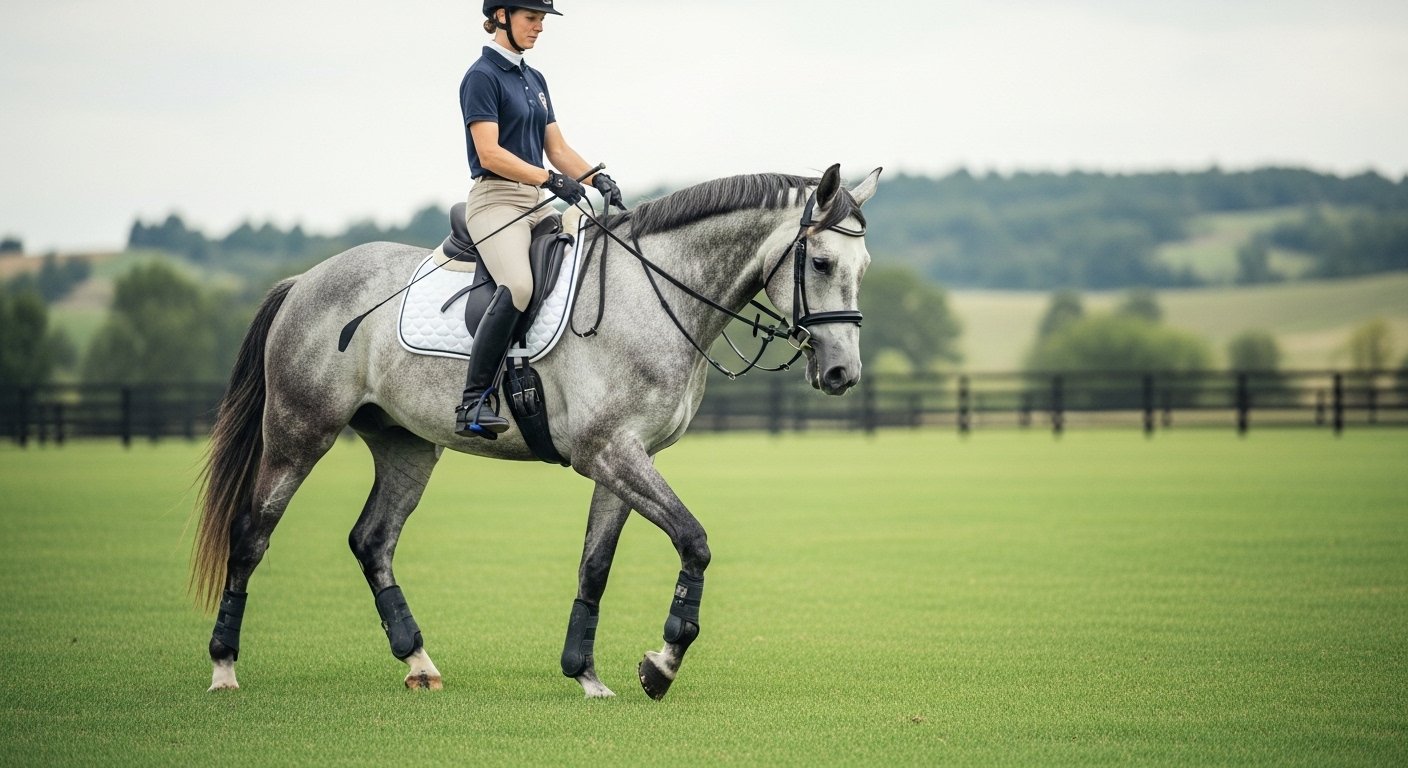
Horse riding is all about communication. Riders use their seat, legs, hands, and voice to guide their horses through different movements and exercises. Sometimes, however, a horse may need a little extra reminder to respond to these aids. This is where a riding crop comes in.
A riding crop is one of the most common tools used in horseback riding. When used correctly, it helps improve communication between horse and rider without causing harm or discomfort. Unfortunately, many beginners misunderstand its purpose and assume it is meant for punishment. In reality, a riding crop should only be used as a gentle aid to reinforce the rider’s existing cues.
What Is a Riding Crop?
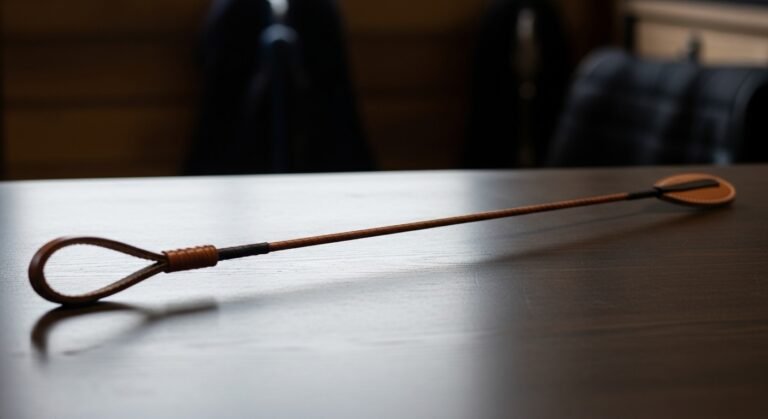
A riding crop is a short, lightweight training tool carried by riders during training, lessons, and certain competitions. It is designed to support natural riding aids rather than replace them.
Most riding crops consist of:
- A comfortable grip handle
- A flexible shaft
- A wrist loop
- A small leather flap or popper at the end
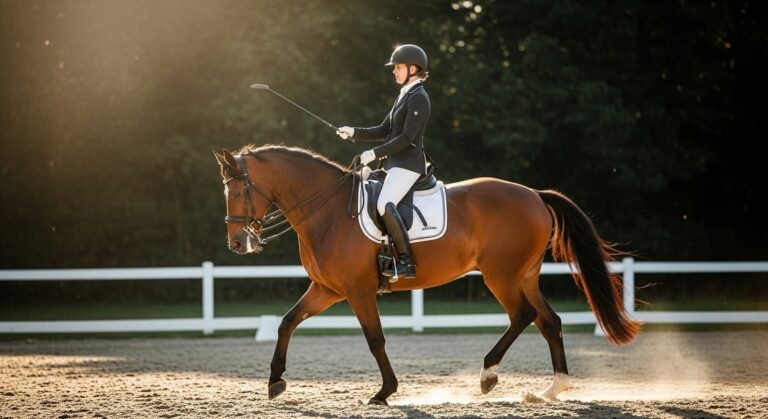
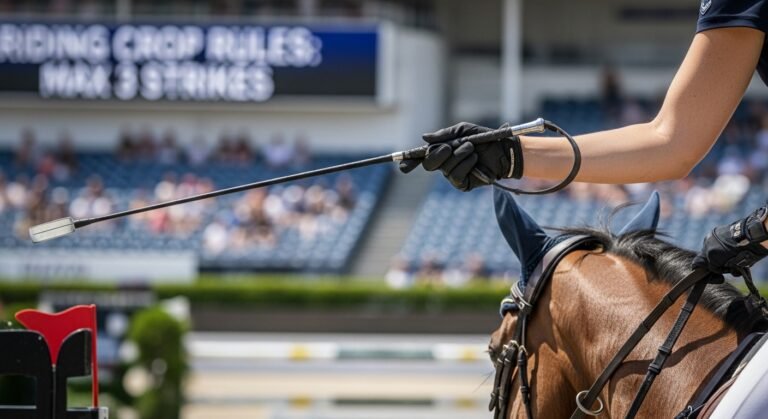
The crop is usually held in one hand and used only when necessary to reinforce a leg aid.
Why Do Riders Use Riding Crops?
A riding crop helps riders communicate more clearly with their horses. Sometimes a horse may ignore a rider’s leg signal due to distraction, laziness, or lack of focus. A light tap from the crop can remind the horse to pay attention and respond appropriately.
Common reasons riders use riding crops include:
- Encouraging forward movement
- Reinforcing leg aids
- Improving responsiveness
- Supporting training exercises
- Building consistency in communication
When used properly, the crop becomes a communication tool rather than a disciplinary device.
Different Types of Riding Crops
Traditional Riding Crop
The traditional riding crop is the most common style used by English riders. It is suitable for everyday riding, lessons, and general training.
Jumping Bat
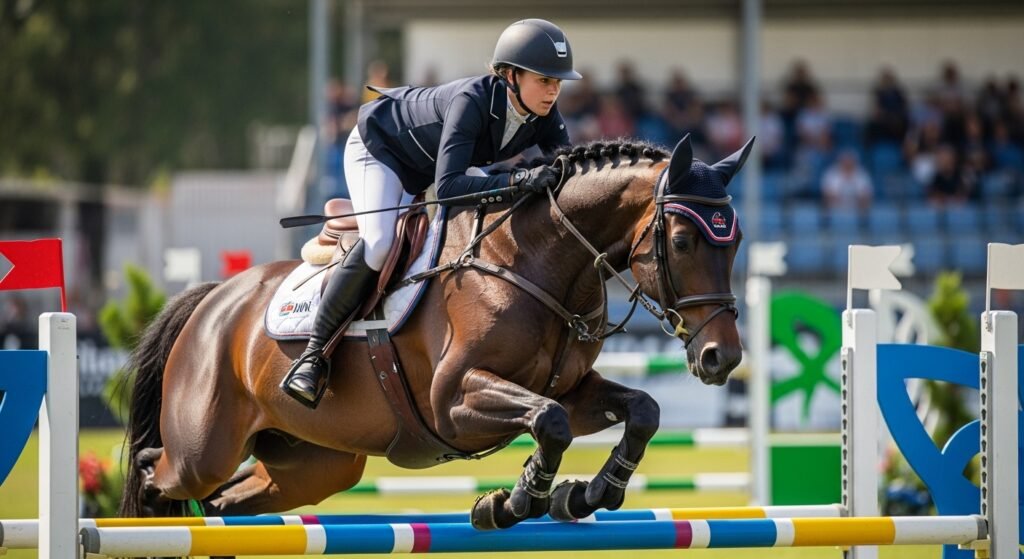
A jumping bat is shorter than a standard crop and features a wider end. It is commonly used in show jumping and eventing because it is less likely to interfere with fences.
Dressage Whip
Dressage whips are significantly longer and are designed to assist riders during dressage training. They help riders refine movements while maintaining proper riding position.
Lunging Whip
A lunging whip is used from the ground rather than while riding. It helps trainers direct a horse during lunging sessions through visual signals and sound.
How to Use a Riding Crop Correctly
The key rule is simple: always use your natural aids first.
Follow these steps:
- Apply your leg aid.
- Wait briefly for the horse’s response.
- If the horse ignores the cue, use a light tap with the crop.
- Reward the horse when it responds correctly.
The crop should never become the primary aid. It should only reinforce signals the horse already understands.
Common Mistakes Riders Make
Many beginners accidentally misuse riding crops. Some common mistakes include:
- Using the crop too often
- Striking too hard
- Using it out of frustration
- Replacing leg aids with the crop
- Inconsistent timing
These mistakes can confuse the horse and damage trust between horse and rider.
Horse Welfare and Riding Crops
Modern equestrian organizations place a strong emphasis on horse welfare. Responsible riders understand that a crop should never cause pain, fear, or injury.
A properly used crop:
- Does not leave marks
- Does not create fear
- Encourages understanding
- Improves communication
A horse should always remain relaxed and confident during training.
Choosing the Right Riding Crop
When selecting a riding crop, consider:
- Length
- Weight
- Grip comfort
- Discipline requirements
- Material quality
A lightweight, well-balanced crop is often the best choice for everyday riding.
Final Thoughts
A riding crop is not a tool for punishment. It is an aid that helps riders communicate more effectively with their horses. When used responsibly, it can improve responsiveness, support training goals, and strengthen the partnership between horse and rider.
The most important principle is always to prioritize clear communication, patience, and horse welfare. A crop should only reinforce your natural aids not replace them.