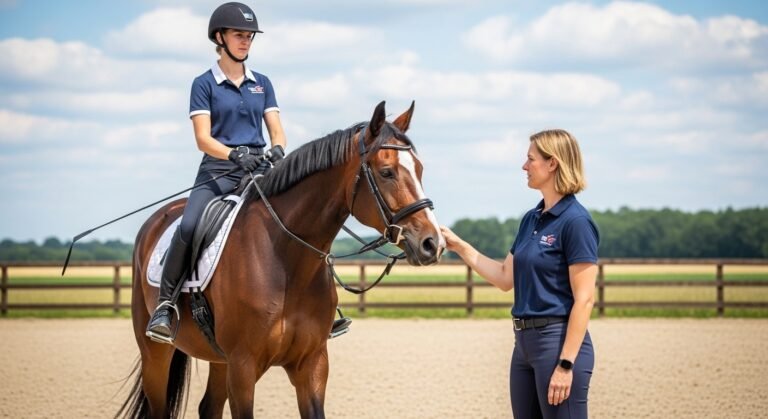
Training horses is one of the most important aspects of horsemanship. Whether you are working with a young horse for the first time or improving the skills of an experienced one, proper horse training builds trust, discipline, and communication between horse and rider.
Horse training is not about force or dominance. It is a gradual process that combines patience, consistency, understanding, and correct techniques. When done correctly, training horses becomes a rewarding experience for both humans and animals.
This complete guide will help you understand how to train horses safely, effectively, and humanely, while also covering methods, tools, common mistakes, and expert tips.
Table of Contents
What Is Horse Training?
Training horses is the process of teaching a horse to respond to commands, cues, and signals from humans. These commands may be given through:
- Body language
- Voice cues
- Reins
- Leg aids
- Training tools
Horse training focuses on developing obedience, confidence, balance, and good behavior, both on the ground and under saddle.
Why Is Training Horses Important?
Horse training is essential for many reasons:
- Improves safety for rider and handler
- Builds trust and understanding
- Prevents behavioral problems
- Enhances performance
- Makes horses easier to handle
- Supports mental and physical development
A well-trained horse is calmer, more confident, and easier to manage in different environments.
Understanding Horse Behavior Before Training
Before starting any training program, it’s important to understand how horses think.
Horses are:
- Prey animals
- Highly sensitive
- Responsive to body language
- Creatures of habit
They react more to timing and consistency than strength. Successful horse training depends on working with the horse’s natural instincts rather than against them.
Basic Principles of Training Horses
Every successful training program follows these core principles:
1. Consistency
Use the same commands and cues every time.
2. Patience
Horses learn at different speeds. Never rush the process.
3. Timing
Reward correct behavior immediately.
4. Clear Communication
Mixed signals confuse horses and slow progress.
5. Positive Reinforcement
Praise, release of pressure, and calm behavior encourage learning.
Types of Horse Training
There are several types of horse training, depending on goals and discipline.
Ground Training
- Teaching basic manners
- Leading
- Standing still
- Responding to voice commands
Saddle Training
- Riding basics
- Steering
- Stopping
- Transitions
Discipline-Specific Training
- Dressage
- Show jumping
- Racing
- Trail riding
- Western riding
Each type requires a different approach but follows the same fundamental principles.
Training Horses Step by Step
Step 1: Building Trust
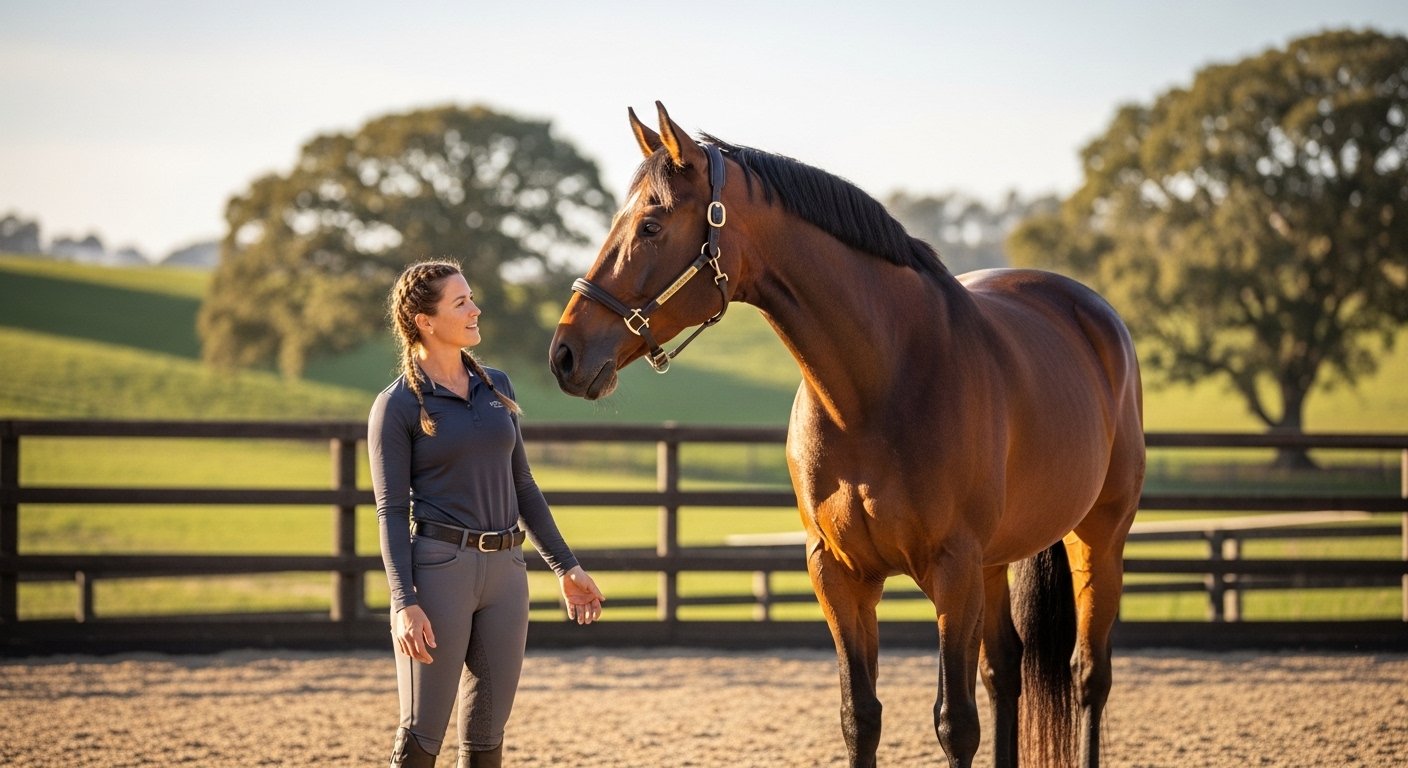
Trust is the foundation of all horse training. Spend time with the horse without demanding performance.
- Groom regularly
- Speak calmly
- Move slowly
- Avoid sudden actions
A relaxed horse learns faster.
Step 2: Halter and Leading Training
Teaching a horse to accept a halter and lead correctly is essential.
Key goals:
- Walk calmly beside handler
- Stop when handler stops
- Turn smoothly
- Respect personal space
This stage teaches basic control and manners.
Step 3: Voice Command Training
Horses respond well to voice cues.
Common commands include:
- Walk
- Trot
- Whoa
- Back
Use a calm, consistent tone. Voice training strengthens communication and confidence.
Step 4: Desensitization Training
Desensitization helps horses stay calm around new objects.
Examples:
- Plastic bags
- Ropes
- Saddles
- Noises
Expose horses gradually to reduce fear and improve confidence.
Step 5: Saddle and Riding Training
Once ground training is complete, riding can begin.
Focus on:
- Balance
- Steering
- Stopping
- Smooth transitions
Start with short sessions and gradually increase duration.
Best Methods for Training Horses
Natural Horsemanship
- Focuses on understanding horse psychology
- Uses gentle pressure and release
- Encourages partnership
Positive Reinforcement Training
- Rewards correct behavior
- Builds confidence
- Reduces stress
Classical Training
- Structured and disciplined
- Focuses on balance and precision
Each method can be effective when applied correctly.
Training Horses Without Force
Modern horse training emphasizes humane practices.
Avoid:
- Excessive pressure
- Punishment
- Anger-based training
Instead:
Use clear cues
Reward progress
End sessions positively
Force damages trust and slows learning.
Common Mistakes in Training Horses
Many training problems come from human errors.
Common mistakes include:
- Inconsistent commands
- Overtraining
- Skipping basic steps
- Poor timing
- Losing patience
Correcting these mistakes improves results quickly.
Training Young Horses
Young horses need special care during training.
Tips:
- Start slowly
- Keep sessions short
- Focus on basics
- Avoid heavy equipment
Early training shapes lifelong behavior.
Training Older Horses
Older horses can still learn effectively.
Focus on:
- Gentle exercises
- Physical comfort
- Mental stimulation
Age is not a barrier when training is done properly.
Training Tools Used for Horses
Proper tools support training not replace skill.
Common tools include:
- Halters
- Lead ropes
- Lunge lines
- Saddles
- Bridles
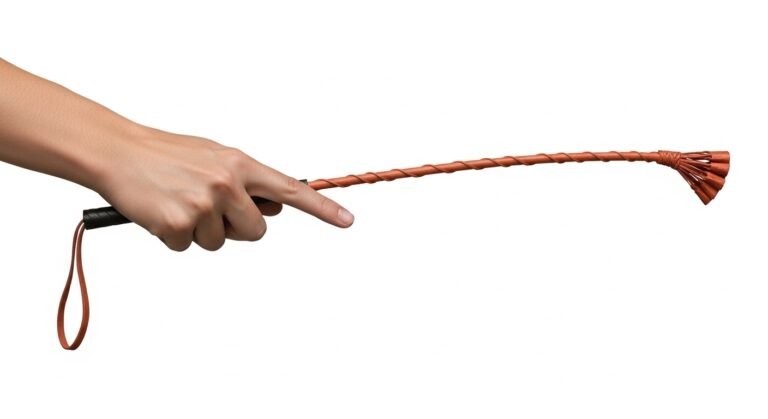
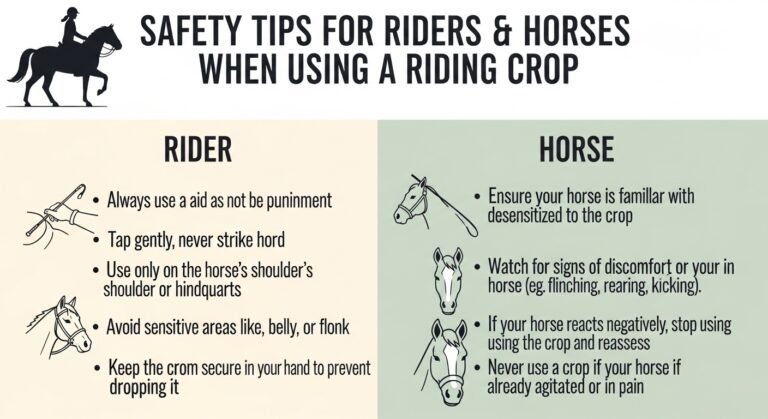
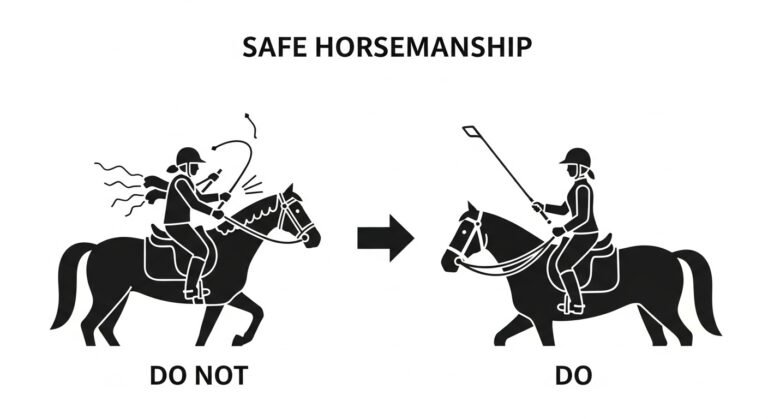
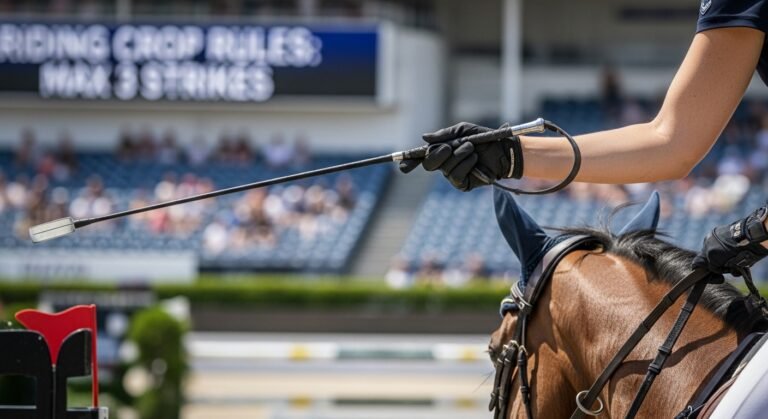
- Riding crops (used correctly)
Choose tools that fit properly and feel comfortable for the horse.
How Long Does It Take to Train a Horse?
There is no fixed timeline.
Training depends on:
- Horse age
- Temperament
- Experience
- Trainer skill
- Training goals
Basic training may take weeks, while advanced training takes months or years.
Signs of Good Horse Training
A well-trained horse will:
- Respond calmly to cues
- Show confidence
- Remain relaxed
- Follow commands consistently
- Trust the handler
Training success is measured by behavior, not speed.
Horse Training Safety Tips
Safety should always come first.
- Wear protective gear
- Train in safe environments
- Avoid distractions
- Know horse limits
- Seek professional help if needed
Safe training protects both horse and rider.
Ethical and Humane Horse Training
Ethical horse training respects animal welfare.
Good training should:
Reduce stress
Improve comfort
Build confidence
Horses trained with respect perform better and stay healthier.
Benefits of Proper Horse Training
Well-trained horses offer many advantages:
- Improved performance
- Better rider control
- Reduced injuries
- Stronger human-horse bond
- Easier daily handling
Training enhances every aspect of horsemanship.
FAQs about Training horses
Q1: Can anyone train a horse?
Ans: Yes, with knowledge, patience, and guidance.
Q2: Is professional training necessary?
Ans: Not always, but helpful for beginners.
Q3: Can horses forget training?
Ans: Yes, without regular practice.
Q4: Is training stressful for horses?
Ans: Not when done correctly and humanely.
Q5: What is the best age to start training?
Ans: Light training can begin early, with riding later.
Conclusion:
Training horses is a journey built on patience, consistency, and respect. A well-trained horse is not created through force, but through understanding and communication.
By using proper techniques, ethical practices, and the right mindset, horse training becomes a rewarding experience that strengthens the bond between human and horse.
Good training creates confident horses, safer riders, and better performance making it one of the most valuable investments in horsemanship.