What Is a Riding Whip?
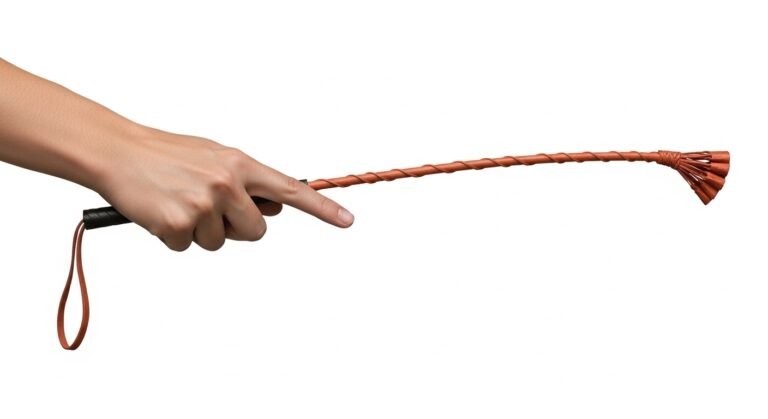
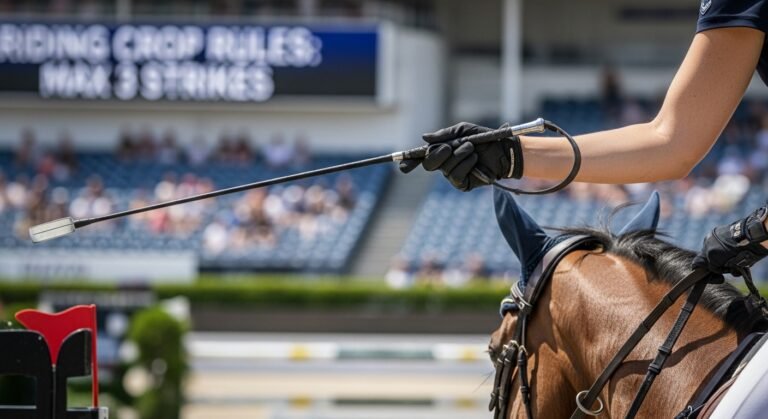
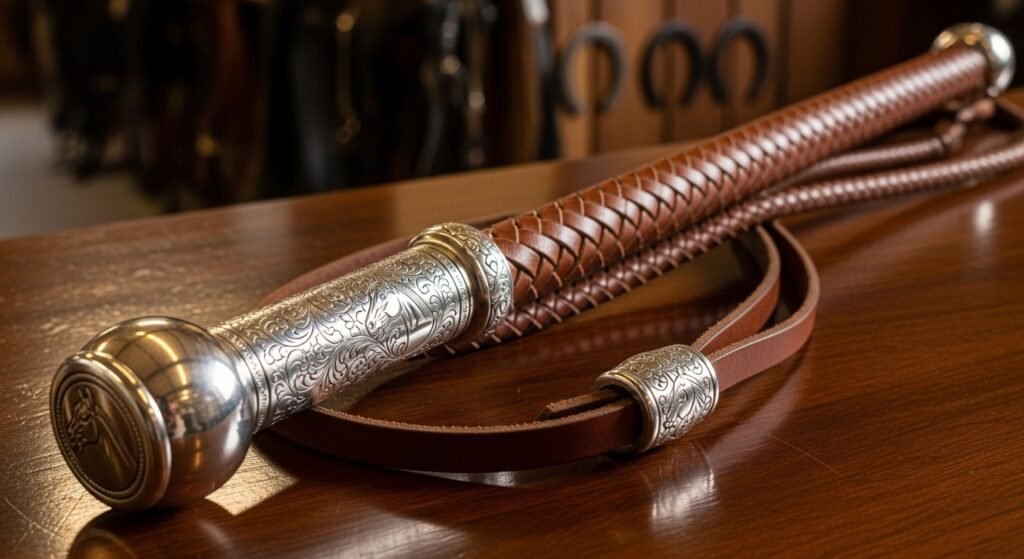
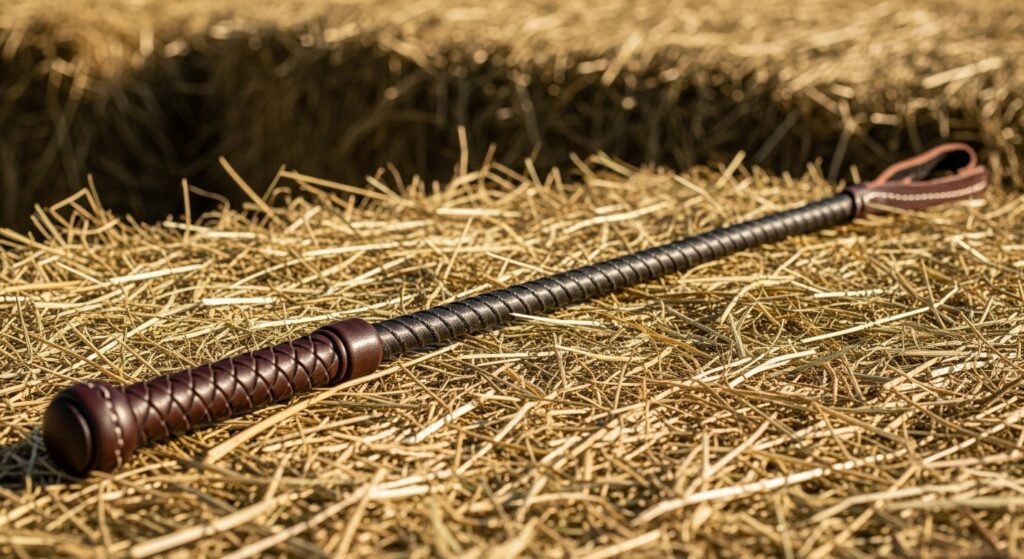
Riding whip is a lightweight equestrian tool used to improve communication between horse and rider. It acts as an extension of the rider’s arm or leg, helping give clearer signals, reinforce commands, and guide a horse during riding or ground training.
Despite common misconceptions, a riding whip is not meant to punish or hurt horses. Instead, it is designed to:
- Reinforce leg aids
- Encourage forward movement
- Improve focus
- Support training
- Provide precise cues
When used correctly, the whip becomes a training aid, not a force tool.
If you run an equestrian website like ridingcrop.org, understanding riding whips is essential because riders often search for terms like:
- riding whip
- horse whip
- dressage whip
- training whip
- riding crop vs whip
- equestrian training tools
- horse riding equipment
This guide will cover everything in simple, easy-to-read language perfect for beginners and experienced riders alike.
Why Do Riders Use a Riding Whip?
Horse riding depends on subtle communication. Riders mainly use:
- Legs
- Reins
- Seat
- Voice
But sometimes horses may ignore or misunderstand cues. That’s where a riding whip helps reinforce the signal.
Main purposes:
1. Reinforcement
If a horse doesn’t respond to a light leg cue, a gentle tap clarifies the request.
2. Direction
Helps guide shoulders or hindquarters during flatwork or dressage.
3. Encouragement
Useful for lazy or distracted horses.
4. Ground Training
Essential for lunging and groundwork exercises.
5. Safety
Improves responsiveness, which makes riding safer.
Think of the whip as a communication tool, not control through fear.
Riding Whip vs Riding Crop – What’s the Difference?
Many beginners confuse these two tools. They look similar but serve slightly different purposes.
| Feature | Riding Whip | Riding Crop |
|---|---|---|
| Length | Longer | Shorter |
| Reach | Extended | Close contact |
| Best for | Dressage, lunging | Jumping, general riding |
| Flexibility | More flexible | Stiffer |
| Control area | Wider reach | Behind leg only |
Quick tip:
- Crop = short & quick taps
- Whip = longer & precise reach
Both are part of standard equestrian gear.
History of the Riding Whip
Riding whips have existed for centuries.

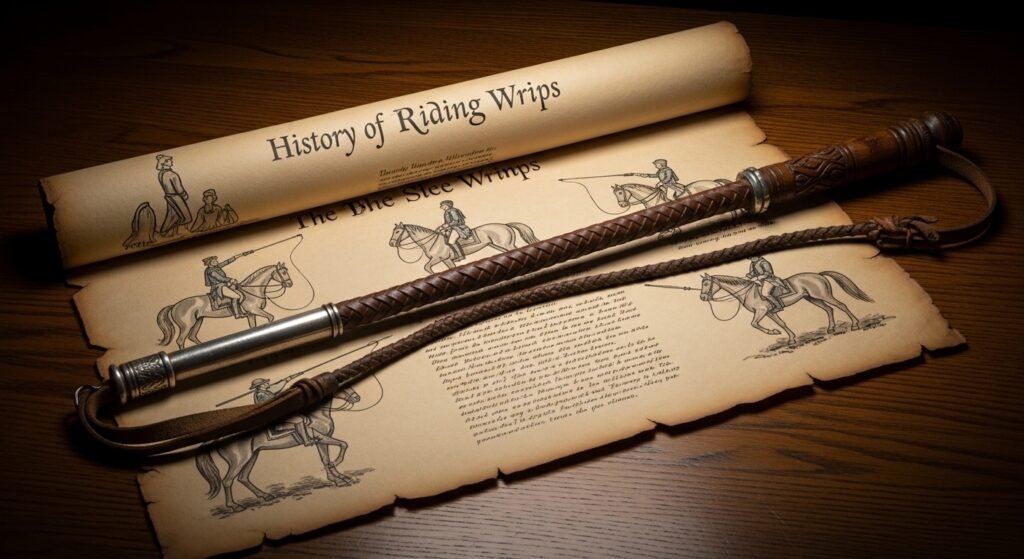
Historical timeline:
- Cavalry soldiers used short sticks to control war horses
- Fox hunters carried whips for clearing brush and guiding hounds
- Riding schools refined them into training tools
- Modern equestrian sports redesigned them for humane use
Today’s whips are lighter, softer, and safer, focusing on welfare and ethical horsemanship.
Types of Riding Whips
Different riding styles require different whips. Choosing the right one improves performance and comfort.
1. Dressage Whip
- Long and slender
- 100–120 cm
- Precise leg reinforcement
- Used in flatwork and dressage training
2. Jumping Bat
- Short and padded
- Quick encouragement over fences
- Common in show jumping
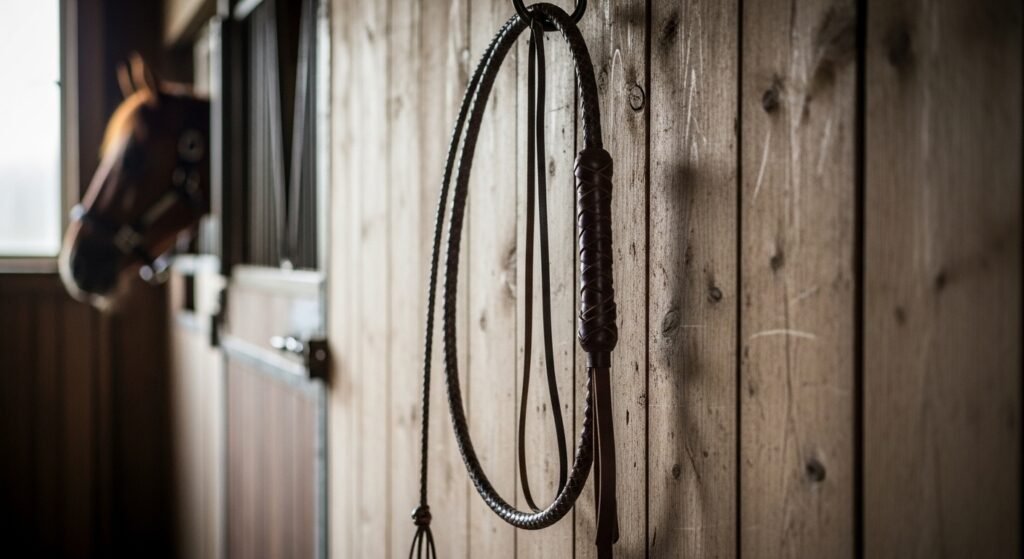
3. Lunge Whip
- Very long lash
- Used from the ground
- Controls speed and direction
- Ideal for groundwork
4. Hunting Whip
- Traditional leather style
- Used in fox hunting
- Classic appearance
5. Schooling Whip
- Medium length
- Everyday training
- Beginner-friendly
Each whip serves a specific riding discipline, so always match the tool to your needs.
Parts of a Riding Whip
Understanding the design helps you use it safely.
Main parts:
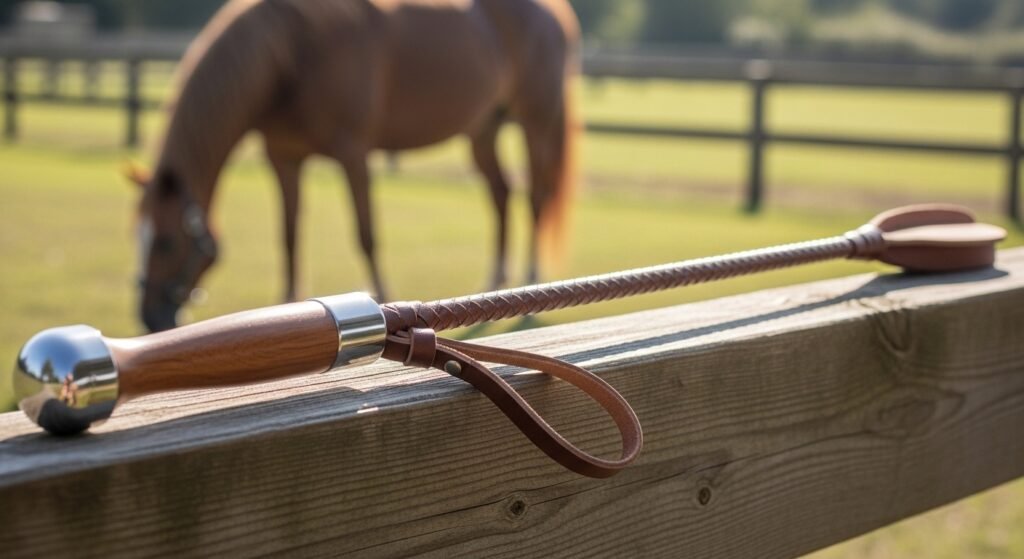
- Handle/Grip – comfortable hold
- Shaft – flexible core
- Lash/Popper – soft contact end
- Wrist Loop – prevents dropping
Modern whips use fiberglass or carbon cores with leather or synthetic covers.
How to Hold a Riding Whip Correctly
Proper handling ensures the whip stays gentle and effective.

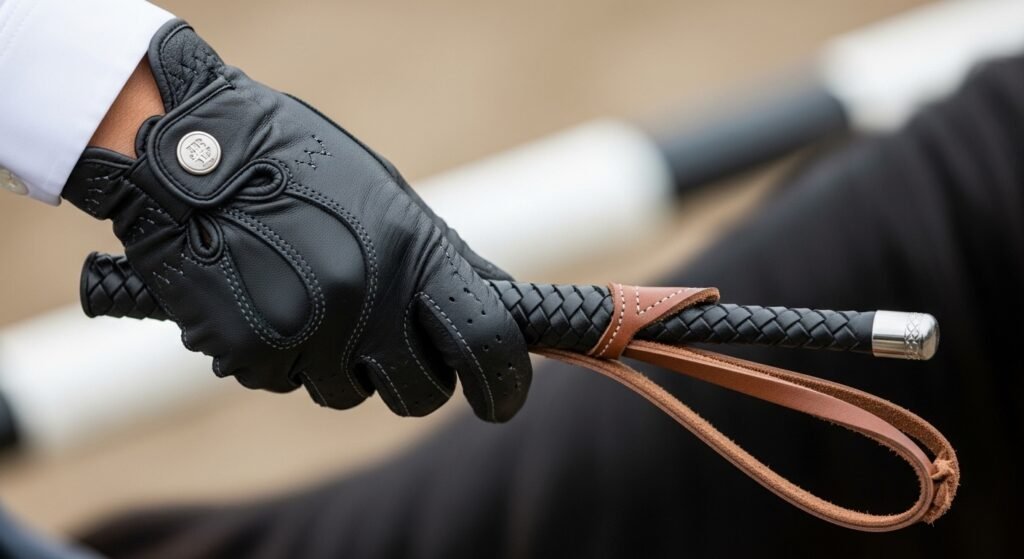
Step-by-step:
- Hold like your reins
- Relax your wrist
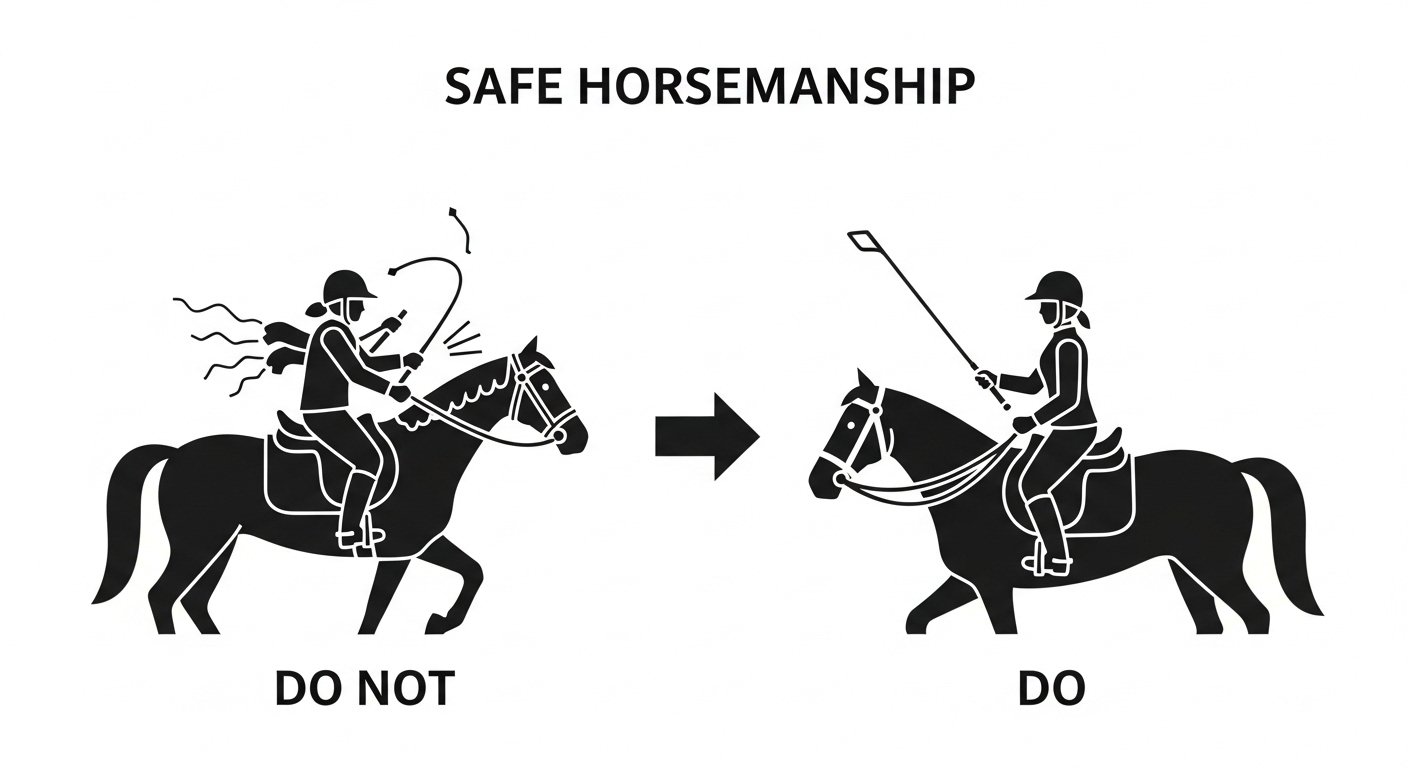
- Keep the whip pointed downward
- Use small wrist movements
- Avoid big swings
The motion should feel like a light tap, not a strike.
Good riders are quiet and subtle.
How to Use a Riding Whip Humanely
Ethical use is extremely important.
Correct method:
- Ask with your leg first
- Wait for response
- If ignored, give light tap
- Stop immediately once horse responds
Never:
Hit repeatedly
Strike hard
Use in anger
Hit face or head
Punish mistakes
Remember: whips guide they don’t punish.
Benefits of Using a Riding Whip
When used properly, riding whips offer many advantages.
Benefits include:
- Better responsiveness
- Clear communication
- Faster learning
- Improved discipline
- Safer riding
- More precise cues
- Increased rider confidence
Professional trainers rely on whips because they reduce confusion, not because they add force.
Common Myths About Riding Whips
Myth 1: Whips hurt horses
Truth: Proper use is gentle and painless.
Myth 2: Only harsh riders use whips
Truth: Even Olympic riders use them.
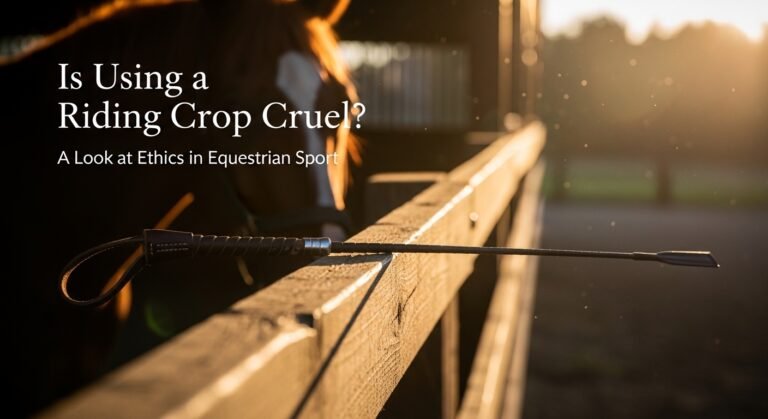
Myth 3: Whips are cruel
Truth: Misuse is cruel not the tool itself.
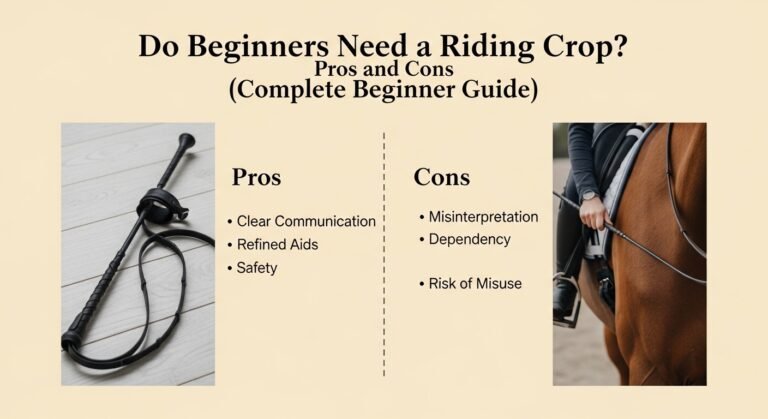
Myth 4: Beginners shouldn’t carry whips
Truth: Beginners can use them safely with guidance.
Choosing the Best Riding Whip
If you’re buying one, consider these factors:
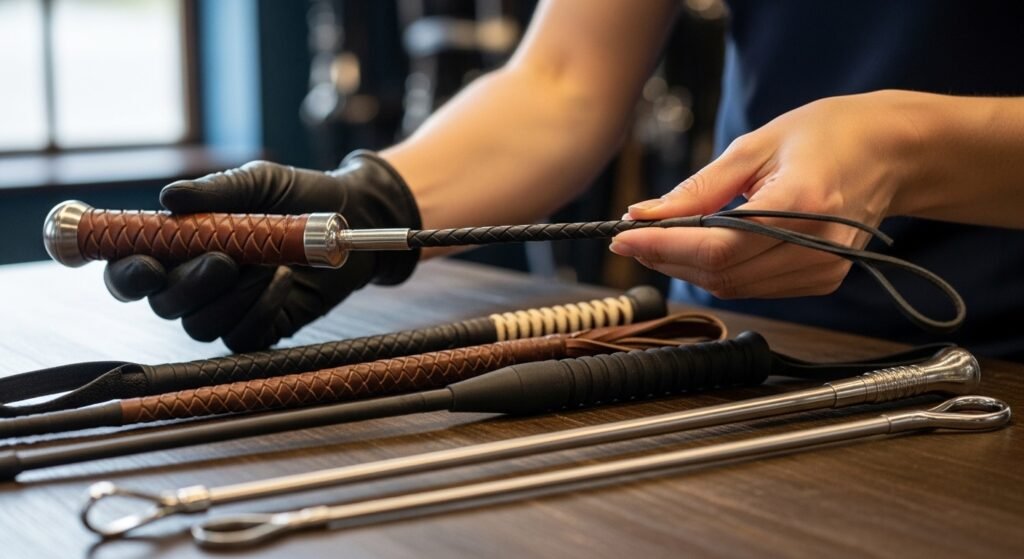
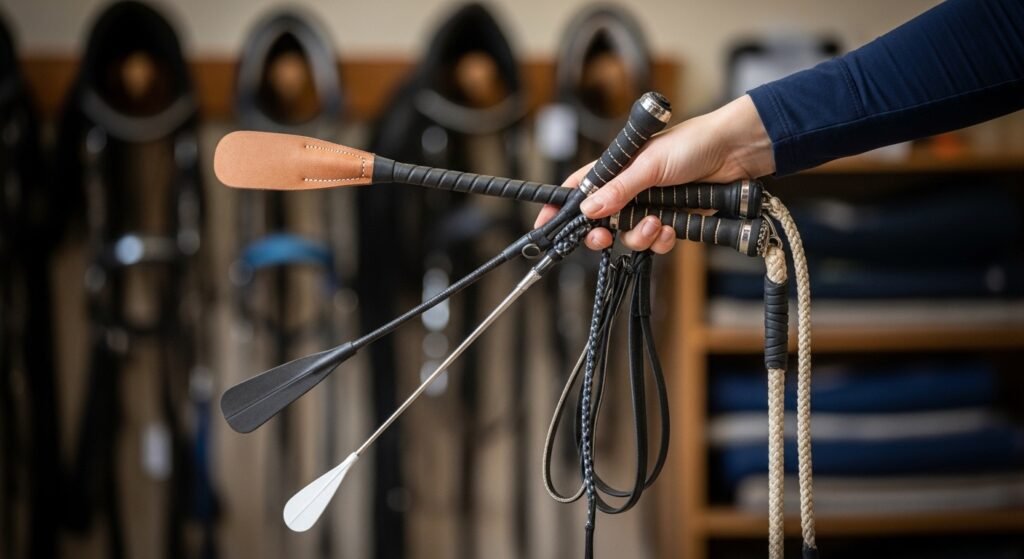
Length
- Dressage: longer
- Jumping: shorter
- Groundwork: longest
Grip
Rubber or textured for control
Weight
Lightweight reduces fatigue
Material
Fiberglass core + leather or synthetic cover
Purpose
Match to discipline
Choosing correctly improves comfort and safety.
Riding Whip for Different Disciplines
Dressage
Long whip for precise cues
Show Jumping
Short bat for quick encouragement
Eventing
Compact crop or bat
Lunging
Long lunge whip
Medium schooling whip
Each discipline has specific competition rules about whip length.
Riding Whip Safety Rules
Safety should always come first.
Follow these guidelines:
Stay calm
Use lightly
Check competition regulations
Inspect whip regularly
Replace damaged whips
Never use emotionally
A relaxed rider equals a relaxed horse.
Care & Maintenance Tips
Take care of your equipment.
Simple care:
- Clean after rides
- Store dry
- Avoid bending
- Condition leather
- Check lash wear
Proper care makes your whip last longer.
Riding Whip Training Tips for Beginners
If you’re new:
- Practice holding position first
- Use leg aids before whip
- Keep taps light
- Get trainer supervision
- Avoid overusing
Over time, you will need it less as your horse becomes responsive.
That’s the goal less reliance, better communication.
FAQs about riding whip
Q1: What is a riding whip used for?
Ans: It reinforces cues and improves communication between horse and rider.
Q2: Does a riding whip hurt horses?
Ans: No, when used correctly it’s gentle and painless.
Q3: What’s the difference between a crop and a whip?
Ans: Crops are short; whips are longer for extended reach.
Q4: Which whip is best for dressage?
Ans: A long dressage whip (100–120 cm).
Q5: Can beginners use riding whips?
Ans: Yes, with proper instruction.
Q6: Are whips allowed in competitions?
Ans: Yes, but size and type may be regulated.
Q7: How often should I use a whip?
Ans: Only when necessary to reinforce cues.
Q8: What is a lunge whip used for?
Ans: Ground training and controlling speed/direction during lunging.
Conclusion:
Riding whip is not a punishment tool it’s a precise communication aid that helps riders guide, train, and connect with their horses more effectively.