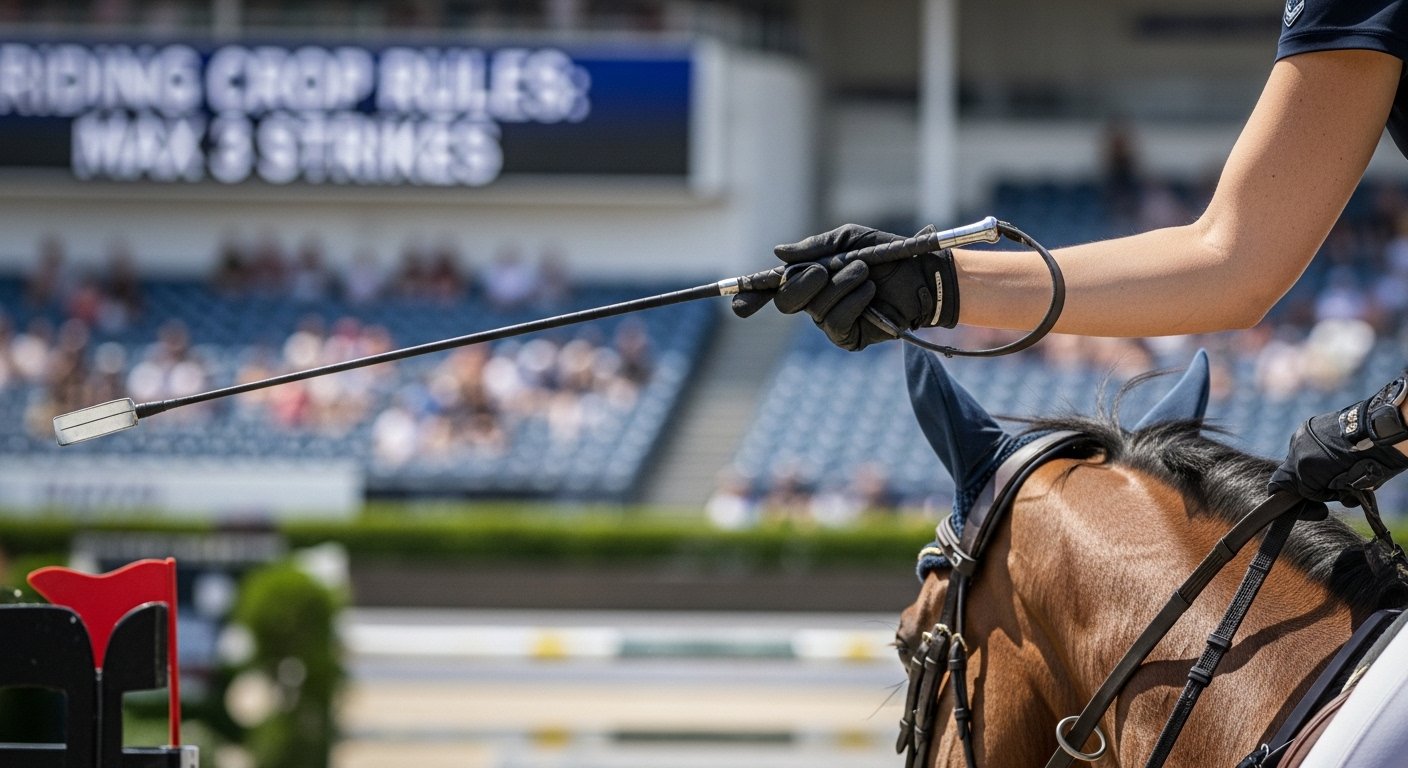
Horse riding competitions are governed by strict rules to ensure fairness, safety, and horse welfare. One of the most discussed pieces of equipment in equestrian sport is the riding crop. Whether you compete in show jumping, dressage, racing, or eventing, understanding riding crop rules in competitions is essential.
In this detailed guide, you’ll learn everything about riding crop regulations, whip length limits, discipline-specific rules, penalties, welfare standards, and best practices.
What Is a Riding Crop
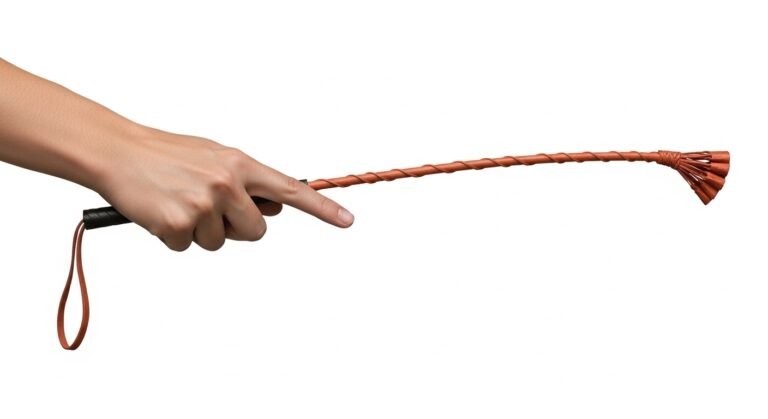
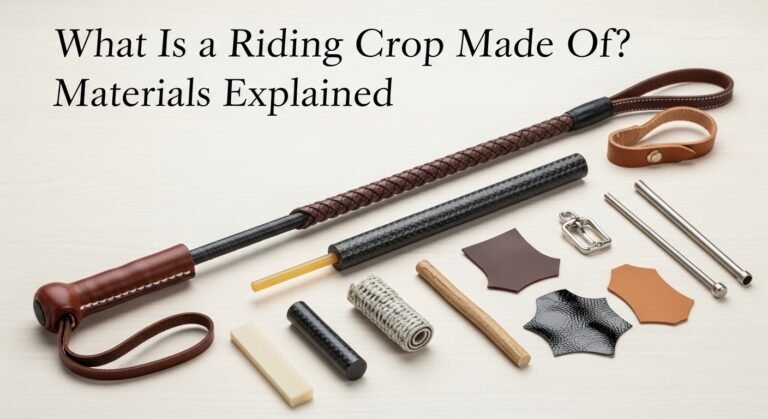
A riding crop (also called a riding whip) is a short tool used by riders to reinforce leg aids and encourage forward movement. It is not meant to punish or harm the horse. Modern competition rules strictly regulate how and when it can be used.
There are different types of crops, including:
- Jockey crop – Short with padded end, commonly used in racing.
- Dressage whip – Longer and thinner, used in flatwork.
- Jumping crop – Standard short crop for show jumping.
- Eventing whip – Used in cross-country phases.
Each discipline has specific riding crop competition rules that riders must follow.
Why Riding Crop Rules Matter in Competitions
Riding crop regulations exist for three main reasons:
- Horse Welfare Protection
- Fair Play Among Competitors
- Maintaining Public Trust in Equestrian Sports

Over the years, governing bodies have tightened whip rules to prevent excessive use. Today, penalties for misuse can include warnings, elimination, suspension, or fines.
Governing Bodies That Set Riding Crop Rules
Different organizations control different disciplines. Some major equestrian authorities include:
- Fédération Equestre Internationale (FEI) – International governing body
- British Horseracing Authority (BHA) – UK racing authority
- United States Equestrian Federation (USEF) – US equestrian competitions
- The Jockey Club – Oversees US thoroughbred racing
Each of these organizations publishes updated riding crop rules for competitions.
Riding Crop Rules by Discipline
1. Show Jumping Whip Rules
Show jumping competitions typically allow riders to carry a crop, but:
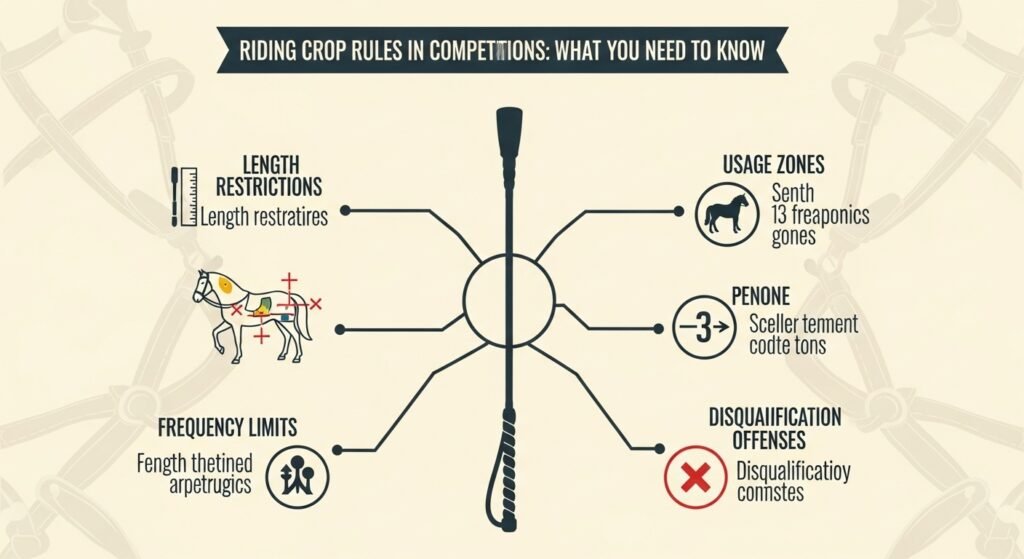
- Maximum whip length is often 75 cm (about 30 inches)
- The whip must not be weighted
- Excessive use results in elimination
- Striking after elimination is strictly prohibited
Under FEI rules:
- Misuse includes striking after refusal
- Hitting on the horse’s flank repeatedly
- Using force beyond correction
Penalty: Immediate elimination and possible disciplinary review.
2. Dressage Whip Regulations
Dressage rules differ significantly:
- In international competitions, whips are generally not allowed inside the arena
- Warm-up arena use may be permitted
- Maximum whip length often around 120 cm
In FEI dressage competitions:
- Carrying a whip into the competition arena may lead to elimination
- Abuse or aggressive use is penalized immediately
Dressage focuses on subtle communication, so whip use is highly restricted.
3. Horse Racing Whip Rules
Horse racing has some of the strictest riding crop regulations.
Under the British Horseracing Authority:
- Whips must be padded
- Limited number of strikes allowed during a race
- Strict rules on arm height and force
- Strikes must be for safety or encouragement
Common restrictions include:
- Maximum number of uses in final furlong
- Prohibition of overhand strikes
- No use once clearly winning
Penalties:
- Suspensions
- Fines
- Disqualification (in severe cases)
4. Eventing and Cross-Country Rules
Eventing combines dressage, show jumping, and cross-country.
- Whips usually allowed in jumping and cross-country
- Length restrictions apply
- Excessive use leads to elimination
Officials monitor riders closely during cross-country for horse welfare violations.
What Counts as Riding Crop Misuse?
Misuse includes:
- Striking excessively
- Hitting sensitive areas (head, flank)
- Using whip in anger
- Striking after horse refuses repeatedly
- Ignoring steward warnings
Modern equestrian sport promotes positive reinforcement and ethical training.
Riding Crop Length Rules (General Guidelines)
| Discipline | Typical Maximum Length |
|---|---|
| Show Jumping | 75 cm |
| Dressage | 120 cm (warm-up only) |
| Racing | Regulated padded whip |
| Eventing | 75 cm (jumping phase) |
Always check official rulebooks before competition.
Penalties for Breaking Riding Crop Rules
Violating riding crop competition rules can result in:
- Verbal warning
- Yellow card
- Elimination
- Fine
- Suspension
- Disqualification
- License review (racing)
Repeated violations may affect your career.
Recent Changes in Whip Rules
In recent years:
- Racing authorities reduced allowed strikes
- Mandatory padded whip designs introduced
- Greater steward monitoring
- Increased video review usage
Public concern about horse welfare has pushed stricter enforcement.
Best Practices for Using a Riding Crop in Competition
To stay compliant:
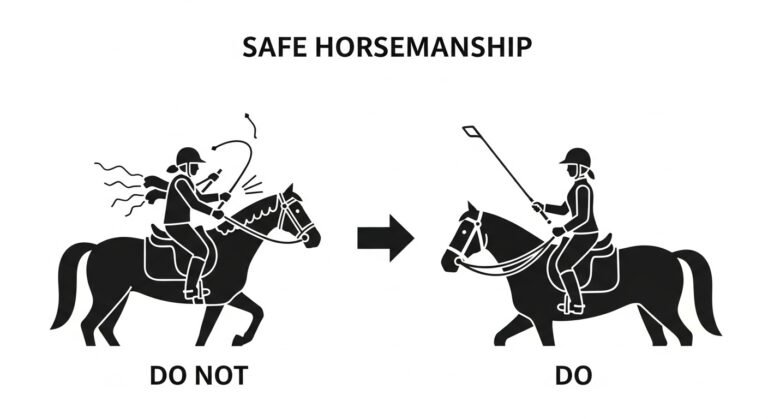
- Use crop only as reinforcement, not punishment
- Keep strikes light and controlled
- Follow discipline-specific length rules
- Avoid emotional reactions
- Train without relying heavily on whip
Professional riders emphasize leg aids and seat before whip use.
Riding Crop vs Whip: Is There a Difference?
Technically:
- A crop is shorter
- A whip can be longer (dressage whip)
However, in general use, terms are often interchangeable.
Horse Welfare and Ethical Riding
Modern equestrian sport prioritizes:
- Humane training
- Positive reinforcement
- Veterinary oversight
- Steward monitoring
- Clear rule enforcement
Riders who respect whip rules protect both their horse and their reputation.
FAQs about riding crop
Q1: Are riding crops allowed in all competitions?
Ans: No. Some disciplines, especially dressage tests, prohibit them in the arena.
Q2: What happens if I exceed the allowed number of strikes?
Ans: You may face elimination, fines, or suspension depending on severity.
Q3: Can I carry a crop in warm-up but not in competition?
Ans: Yes, in many disciplines like dressage.
Q4: Are padded whips mandatory in racing?
Ans: Yes, most racing authorities require padded, approved whip designs.
Q5: Do whip rules differ between countries?
Ans: Yes. Always check your national governing body rulebook.
Conclusion:
Understanding riding crop rules in competitions is not optional it’s essential. Rules vary by discipline and governing body, and penalties can be severe.
To compete responsibly:
- Read official rulebooks
- Stay updated on rule changes
- Prioritize horse welfare
- Use crop correctly and sparingly