Horse riding is an exciting and rewarding activity that builds confidence, balance, and a strong connection between rider and horse. As beginners start learning the basics of equestrian riding, they often come across different pieces of equipment such as saddles, reins, stirrups, and riding crops. One common question many new riders ask is: Do beginners need a riding crop?
A riding crop is a short training aid used by riders to reinforce leg cues and communicate more clearly with a horse. While some people believe beginners should not use a riding crop, others consider it a helpful tool when used properly.
In this comprehensive guide, we will explore whether beginners need a riding crop, the benefits and drawbacks, how to use it correctly, and tips for safe and ethical horse training.
What Is a Riding Crop?
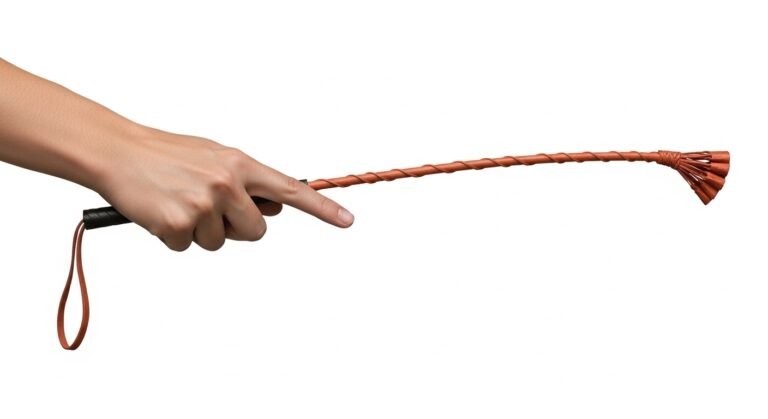
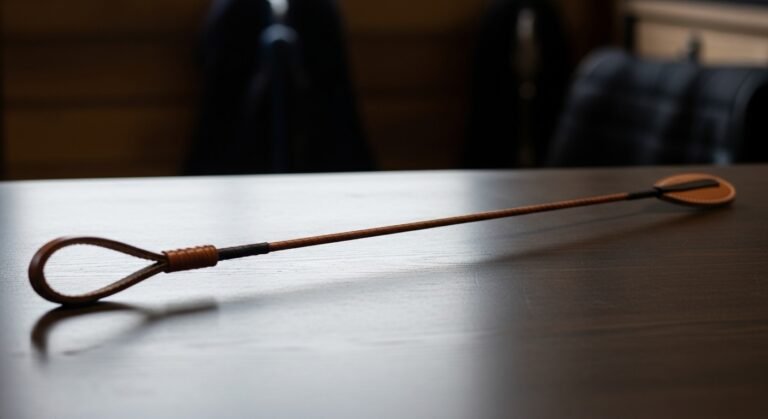
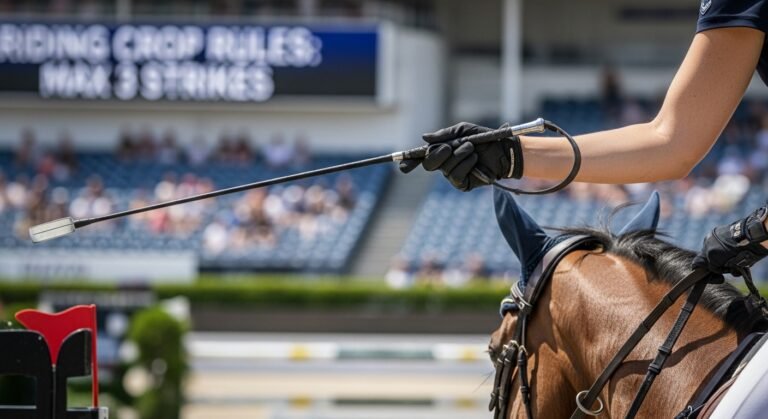
Riding crop is a short whip-like tool commonly used in horseback riding. It usually measures between 24 and 30 inches and includes three main parts:
- Handle – the section held by the rider
- Shaft – the rigid or semi-flexible body of the crop
- Keeper or flap – the small leather piece at the end used to tap the horse
Unlike longer whips, a riding crop is designed for close-contact communication with the horse rather than punishment.
The purpose of a riding crop is to reinforce the rider’s leg signals, helping the horse understand commands such as moving forward, increasing pace, or maintaining focus.
Why Riders Use a Riding Crop
Many riders both beginners and professionals use riding crops for several reasons. When used correctly, it becomes a communication tool rather than a punishment device.
1. Reinforcing Leg Aids
In horseback riding, the primary way riders communicate with horses is through leg aids. However, some horses may ignore or become dull to these signals. A riding crop provides a gentle tap to remind the horse to respond.
2. Improving Horse Responsiveness
A horse that becomes lazy or distracted may need occasional reinforcement. A riding crop can help improve responsiveness without causing harm.
3. Maintaining Rhythm and Forward Motion
Some horses slow down during training or lessons. Riders may use a crop to encourage the horse to maintain consistent movement.
4. Training Young Horses
During early horse training, a crop can help establish clear communication between horse and rider.
Do Beginners Need a Riding Crop?
The simple answer is: not always.
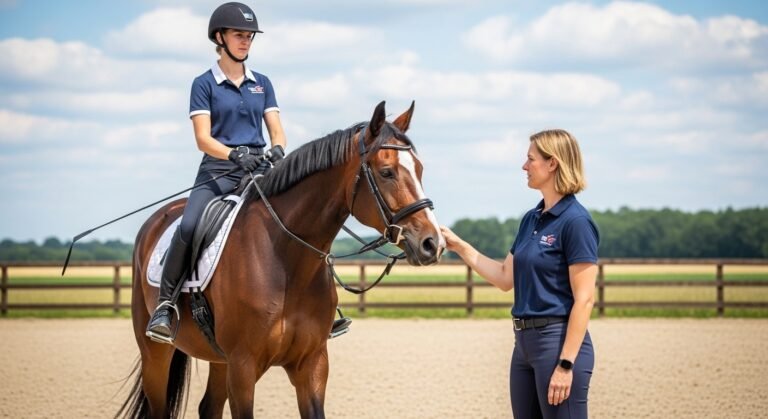
Many riding instructors prefer beginners to first learn balance, posture, rein control, and leg cues before introducing tools like riding crops.
However, beginners can use a riding crop under proper supervision. It should never replace proper riding technique.
Situations Where Beginners Might Use a Crop
- When learning proper riding aids with an instructor
- When riding a horse that requires reinforcement
- During structured training lessons
- In certain riding disciplines
The key factor is guidance from an experienced trainer.
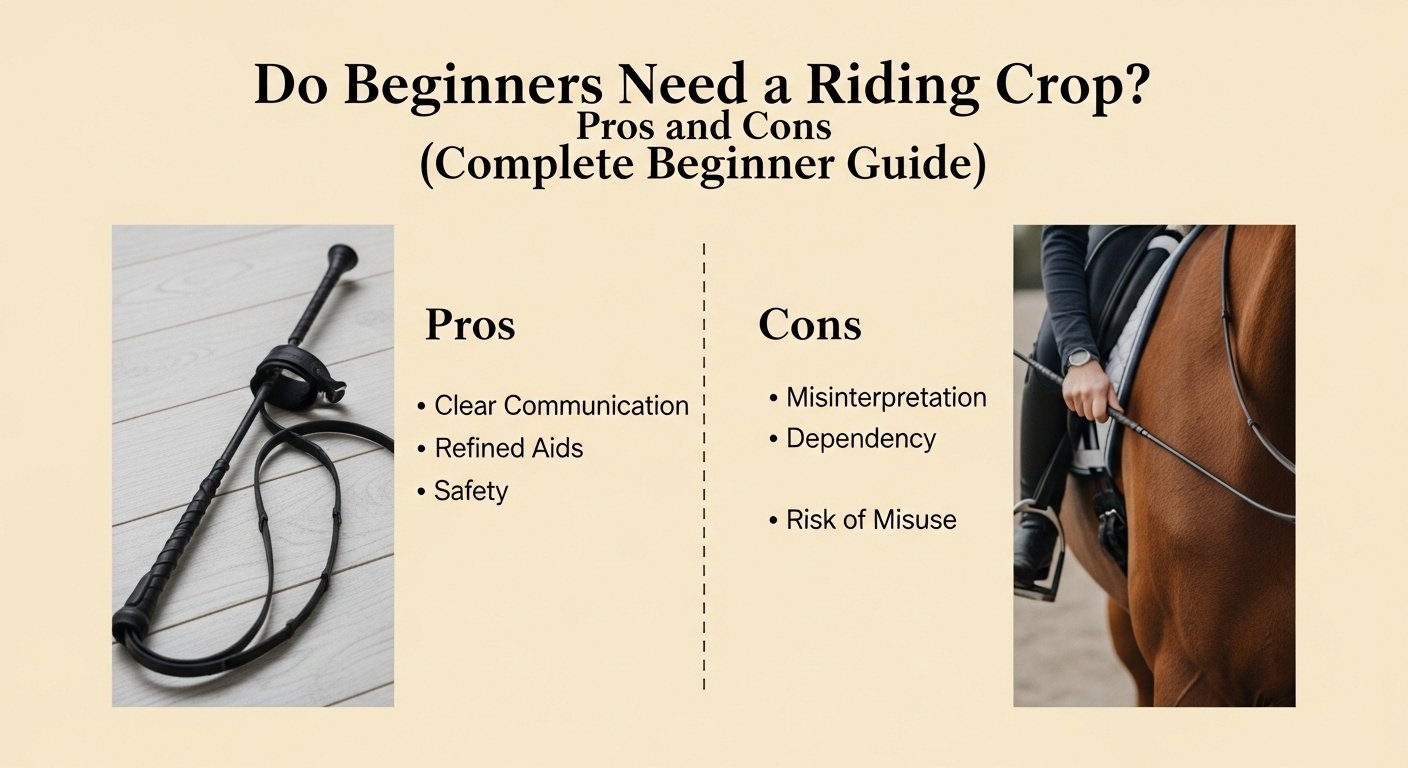
Pros of Using a Riding Crop for Beginners
Using a riding crop responsibly can provide several advantages for new riders.
1. Clearer Communication with the Horse
A riding crop helps reinforce signals when the horse does not respond to leg pressure alone. This can make communication clearer and more effective.
2. Encourages Forward Movement
Some beginner lesson horses are calm or slow-moving. A gentle tap can encourage the horse to maintain forward momentum.
3. Builds Confidence in Riders
When beginners understand how to use tools correctly, they may feel more confident controlling the horse.
4. Helps Train Horse Behavior
A riding crop can help correct small behavioral issues such as ignoring cues or drifting off track.
5. Useful in Specific Riding Disciplines
Certain equestrian disciplines such as show jumping, eventing, and dressage training sometimes allow riding crops during training sessions.
Cons of Using a Riding Crop for Beginners
Despite its benefits, riding crops also have disadvantages when used incorrectly.
1. Risk of Misuse
Beginners may not yet understand proper timing and pressure. Incorrect use could confuse or frighten the horse.
2. Overreliance on Equipment
New riders should develop strong riding fundamentals first. Using a crop too early may prevent riders from learning proper leg and seat aids.
3. Negative Horse Reactions
Some horses may become anxious or reactive if a crop is used improperly.
4. Ethical Concerns
Improper use can raise animal welfare concerns. A riding crop should never be used as punishment.
When Should Beginners Start Using a Riding Crop?
Most instructors recommend beginners start using a crop after mastering basic riding skills such as:
- Balanced seat in the saddle
- Proper rein control
- Effective leg aids
- Basic horse control
This usually occurs after a rider has gained several weeks or months of experience.
How to Use a Riding Crop Correctly
Learning proper crop use is essential for both safety and horse welfare.
1. Use It as a Reinforcement Tool
The crop should only reinforce a leg cue. The correct sequence is:
- Apply leg pressure
- Wait for horse response
- Use a light tap if necessary
2. Keep the Tap Light
A riding crop should produce a light tapping sound rather than forceful impact.
3. Maintain Proper Position
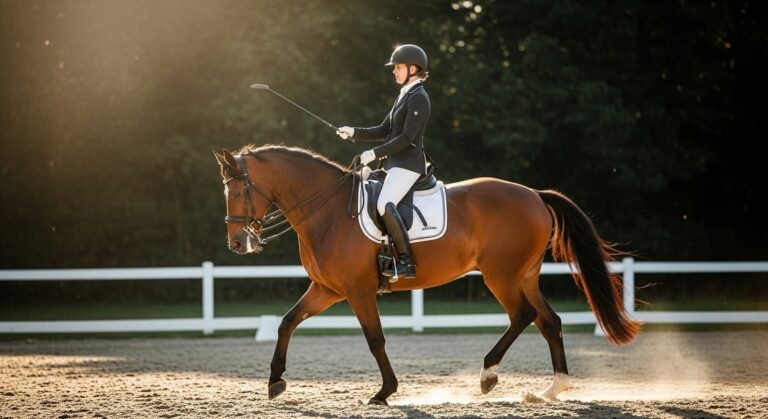
Most riders hold the crop in the inside hand with the shaft pointing downward.
4. Avoid Repeated Striking
Multiple strikes can confuse or upset the horse. One quick tap is usually enough.
5. Always Stay Calm
A rider should never use a crop out of frustration or anger.
Riding Crop vs Dressage Whip
Beginners often confuse riding crops with dressage whips.
| Feature | Riding Crop | Dressage Whip |
|---|---|---|
| Length | Short (24–30 inches) | Long (35–47 inches) |
| Purpose | Reinforce leg aids | Extend rider reach |
| Common Use | Jumping, training | Dressage |
A riding crop is typically easier for beginners to handle because of its shorter length and simpler design.
Choosing the Right Riding Crop
If a beginner decides to use a riding crop, selecting the right one is important.
Consider These Factors
Length:
Most riding crops range from 24 to 30 inches.
Grip:
Look for a comfortable handle with good grip.
Material:
Common materials include fiberglass, leather, or synthetic shafts.
Keeper:
A soft leather flap helps prevent injury to the horse.
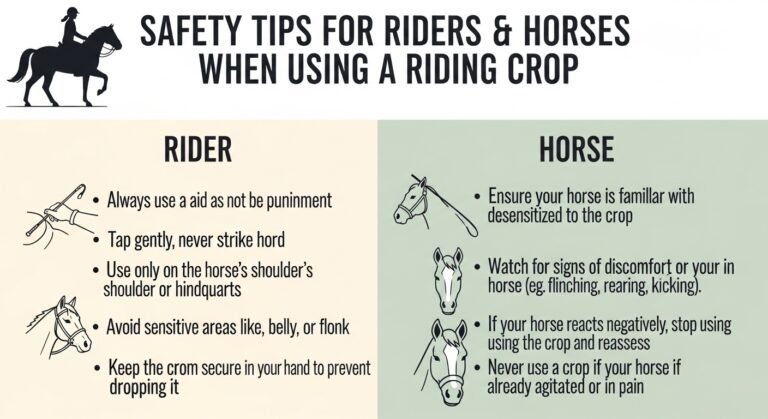
Safety Tips for Beginners
Safety should always come first when riding.
Follow These Guidelines
- Always use a crop under instructor supervision
- Never strike the horse aggressively
- Avoid using a crop to punish behavior
- Focus on proper riding technique first
- Observe the horse’s reactions
Responsible riders prioritize horse welfare and respectful communication.
Common Mistakes Beginners Make with Riding Crops
Understanding mistakes helps riders avoid developing bad habits.
1. Using the Crop Instead of Leg Aids
The crop should support leg signals, not replace them.
2. Striking Too Hard
A riding crop should never cause pain or injury.
3. Using It Too Frequently
Overuse reduces its effectiveness.
4. Holding It Incorrectly
Improper grip can make it difficult to use safely.
Alternatives to Using a Riding Crop
Many instructors prefer beginners to rely on natural riding aids before introducing equipment.
Alternatives include:
- Stronger leg cues
- Improved riding posture
- Voice commands
- Better timing of aids
These techniques help develop better riding skills and horse communication.
Ethical Use of Riding Crops
Horse welfare is a major concern in modern equestrian sports.
Responsible riders follow these principles:
- Use the crop as a communication aid
- Never use it in anger
- Avoid excessive force
- Respect the horse’s comfort
Ethical riding strengthens the bond between horse and rider.
Final Verdict: Do Beginners Need a Riding Crop?
A riding crop can be a helpful tool, but it is not essential for beginners.
New riders should first focus on learning:
- Balance and posture
- Effective leg aids
- Rein control
- Horse behavior
Once these fundamentals are developed, a riding crop may become a useful training aid under professional guidance.
When used responsibly, it improves communication and helps riders develop better control without harming the horse.
Conclusion:
So, do beginners need a riding crop?
The answer depends on the rider’s experience, the horse’s training level, and the instructor’s guidance.
For most beginners, the best approach is to master basic riding techniques first and use a riding crop only when necessary.
When used correctly, a riding crop is not a punishment tool but a communication aid that supports effective and humane horse training.
By understanding its purpose, benefits, and limitations, beginners can make informed decisions and build a positive partnership with their horse.