Riding crop is one of the most important aids used by riders of all levels from beginners to professionals. This comprehensive guide explains everything you need to know:
This article is written to help riders, trainers, and equestrian enthusiasts make informed decisi ons.
What Is a Riding Crop?
Riding crop is a short whip-like tool used by riders to provide direction, balance, and communication with a horse.
It helps reinforce leg and seat aids, encouraging the horse to:
- Move forward
- Increase responsiveness
- Maintain pace
- Improve focus
Crops are commonly used in various disciplines including jumping, dressage, eventing, and general riding.
Riding Crop Uses Explained
A riding crop is not a weapon it’s a training aid designed to supplement natural riding cues.
Primary Uses:
- Reinforce leg pressure
- Improve horse responsiveness
- Aid in transitions (walk → trot → canter)
- Provide clearer communication
- Help with timing and precision
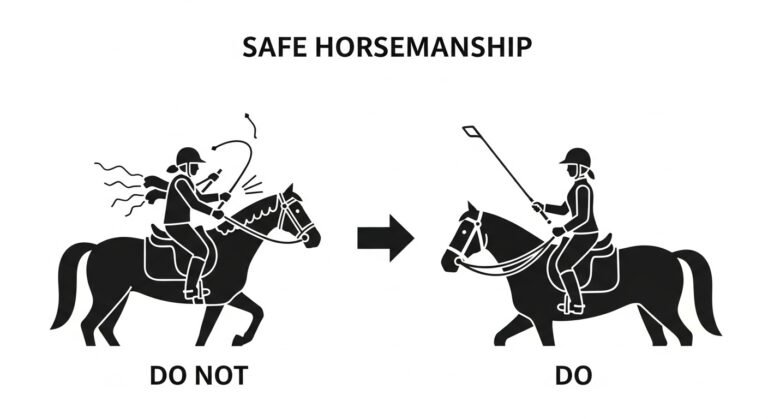
Important: A crop should be used lightly and responsibly never to harm the horse.
Different Types of Riding Crops
There are several crop styles, each suited for different riding needs:
1. Standard Riding Crop
- Most common and versatile
- Good for all-around use
- Length: 24–30 inches
2. Jumping Crop
- Slightly longer for mounted reach
- Helps when adjusting position over jumps
3. Dressage Crop
- Subtle and shorter
- Used mainly for dressage training
4. Horse Show Crop
- Often decorative
- Designed for show classes
Riding Crop Lengths & Sizes
Crop lengths vary depending on rider height and discipline:
| Discipline | Ideal Crop Length |
|---|---|
| General Riding | 24–26 inches |
| Jumping | 28–30 inches |
| Dressage | 20–24 inches |
| Pony Riders | 18–22 inches |
Correct length ensures better control and proper aid delivery.
Best Riding Crop Materials
A quality crop will be durable, comfortable, and responsive.
Common Materials:
- Fiberglass core – Strong and flexible
- Leather handle – Comfort grip
- Nylon or rubber grip – Non-slip
- Fleece popper/end – Less harsh on horse
Good materials improve performance and longevity.
How to Choose the Right Riding Crop
Here are practical tips for choosing a crop:
- Pick the correct length for your discipline
- Choose a grip that fits your hand
- Look for balanced weight
- Select a crop with humane design
- Avoid overly stiff or flimsy options
A well-chosen crop makes communication with your horse more effective.
Riding Crop Safety & Responsible Use
Safety and proper use are crucial. Follow these guidelines:
Always use the crop as an aid, not punishment.
Recommended Practices:
- Use gentle taps only
- Reinforce natural cues not replace them
- Never use the crop on sensitive areas
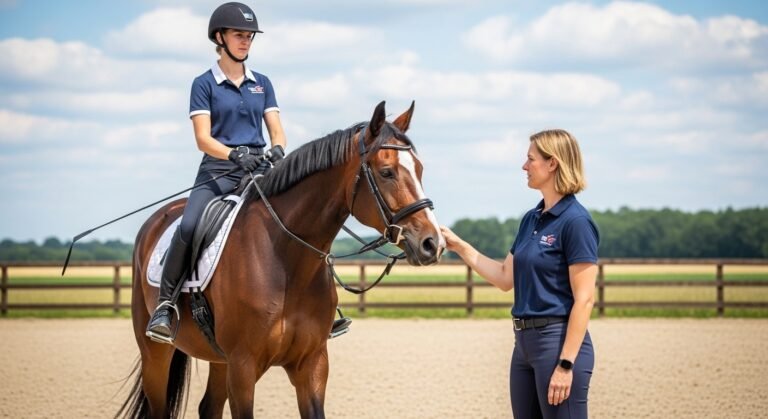
- Pair crop use with proper riding lessons
Good technique increases trust between horse and rider.
Riding Crop Training Tips
For effective crop use:
- Establish a clear natural leg aid first
- Use the crop only after the leg cue
- Keep the crop relaxed, without tension
- Focus on timing and consistency
- Reward the horse for correct response
FAQ: Riding Crop Edition
Q1: What is a riding crop used for?
Ans: A riding crop is a training tool used to reinforce leg and seat aids and improve communication with a horse.
Q2: Is a riding crop harmful?
Ans: No when used correctly it is a gentle reinforcement tool, not a punishment device.
Q3: What size crop should I choose?
Ans: Crop size depends on discipline: 24–26 inches for general use, 28–30 inches for jumping.
Q4: What is the difference between a crop and a whip?
Ans: A crop is shorter and used as a riding aid. A whip can be longer and used in training or groundwork.
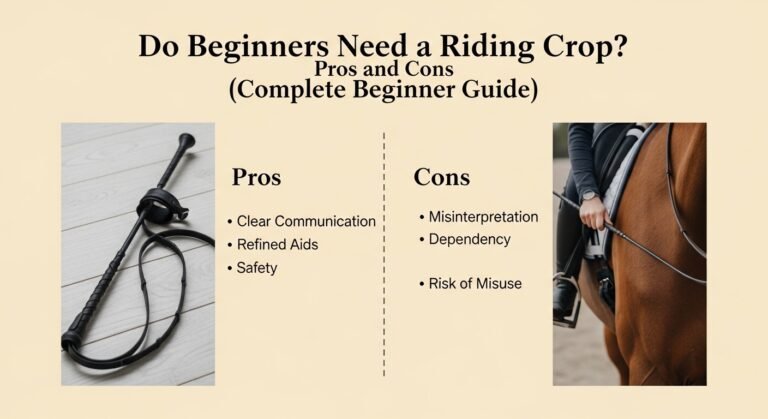
Q5: Can beginners use a riding crop?
Ans: Yes, but beginners should learn proper technique before using a crop.
Q6: What material makes the best riding crop?
Ans: Durable materials like fiberglass cores with leather or rubber grips provide comfort, strength, and reliability.
Conclusion
Riding crop isn ot just a tool it’s a communication bridge between rider and horse.
By understanding the types, uses, materials, and safety guidelines, you can choose the right crop and use it responsibly to improve your riding skills and strengthen your partnership with your horse.
For riders of all levels, the right crop makes training clearer, safer, and more effective.