Riding crops are essential tools in horseback riding, helping riders communicate effectively with their horses. While materials, weight, and handle design are important, one critical factor often overlooked is the length of the riding crop. Choosing the right crop length ensures comfort, control, and precise communication, whether you are a beginner or an advanced rider.
In this detailed guide, we’ll explore the ideal riding crop lengths for different riders, disciplines, and training levels, and explain how crop length impacts performance and horse responsiveness.
Why Riding Crop Length Matters
Riding crop length is not just about aesthetics it directly affects control, accuracy, and comfort. A crop that is too long may be difficult to handle and less precise, while a crop that is too short may not reach the horse effectively or could compromise posture.
Understanding the right crop length helps riders reinforce signals clearly, avoid fatigue, and improve communication with their horse.
Anatomy of a Riding Crop
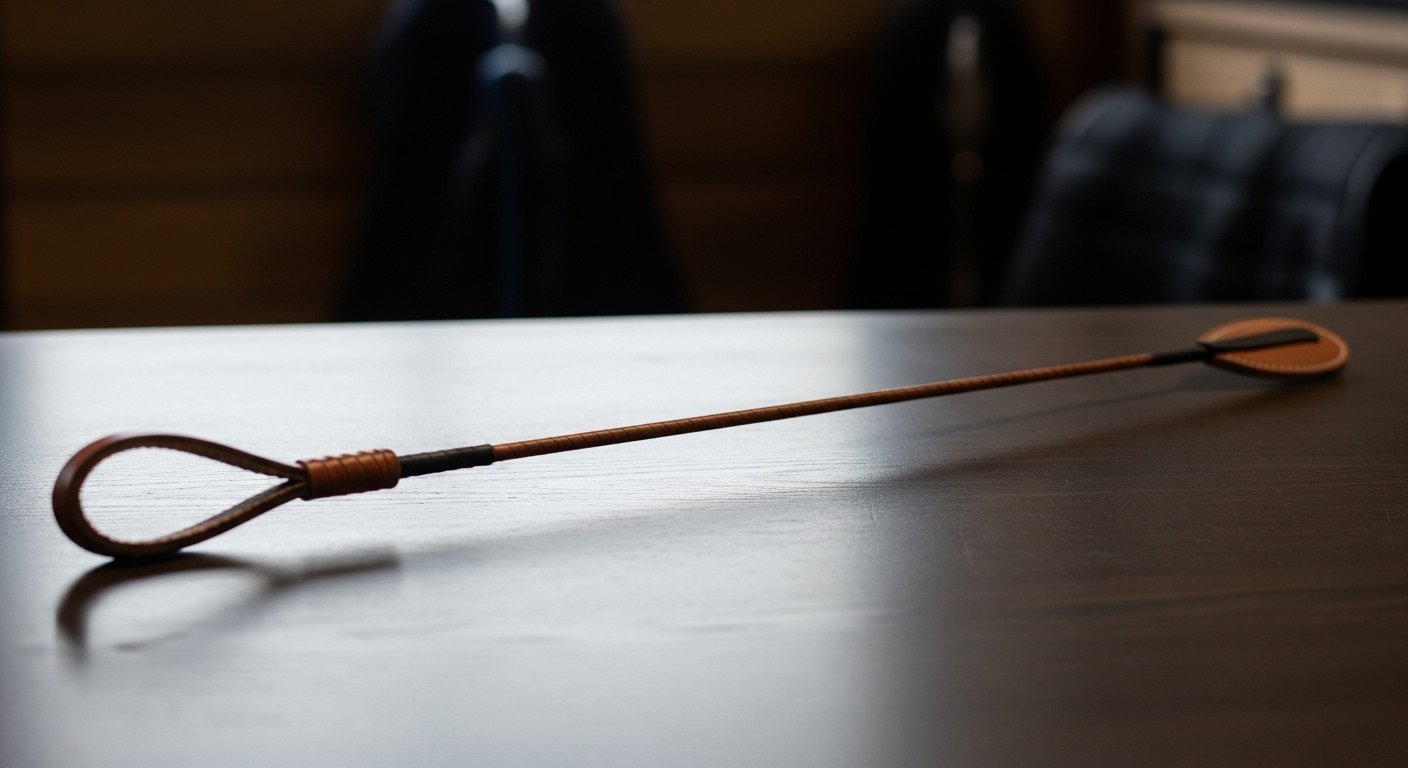
A riding crop consists of three main parts:
- Handle: The portion gripped by the rider.
- Shaft: The long, flexible body that transmits signals.
- Popper / Tip: The small end that contacts the horse.
The shaft length is the primary factor determining the overall crop length.
Standard Riding Crop Lengths
Riding crops come in various lengths depending on style and purpose:
- Short crops: 18–20 inches (45–50 cm) – commonly used for close control and advanced dressage.
- Medium crops: 21–26 inches (53–66 cm) – standard length for general riding and training.
- Long crops: 27–30 inches (68–76 cm) – used for show jumping, eventing, or for riders who need extra reach.
The right length balances reach, precision, and comfort.
Factors Affecting the Ideal Riding Crop Length
Rider Height and Arm Length
- Taller riders with longer arms may need slightly longer crops to maintain proper posture.
- Shorter riders benefit from shorter crops that are easier to maneuver.
Riding Discipline
- Dressage: Shorter crops for subtle, precise signals.
- Show Jumping / Eventing: Medium to long crops for extended reach over fences.
- Trail Riding / Casual Riding: Medium crops for comfort and control.
Horse Size and Sensitivity
- Small or sensitive horses: Shorter crops allow gentle, precise cues.
- Large or less responsive horses: Slightly longer crops help extend reach without changing posture.
Beginner Riders: Choosing the Right Crop Length
For beginners:
- Choose a medium-length crop (21–24 inches) for control and comfort.
- Avoid crops that are too long, which can be cumbersome and difficult to handle.
- Focus on a crop that complements arm length and riding posture.
This ensures the rider can deliver clear, effective signals while learning proper technique.
Intermediate Riders: Adjusting Crop Length for Training
Intermediate riders should:
- Consider the horse’s responsiveness when selecting length.
- Experiment with shorter crops for dressage or longer crops for jumping.
- Balance crop length with weight to avoid fatigue during training sessions.
At this level, riders begin customizing crop length for discipline and horse behavior.
Advanced Riders: Fine-Tuning Crop Length for Competition
Advanced riders can fine-tune crop length based on:
- Specific competition needs (dressage, show jumping, eventing).
- Horse’s size, temperament, and training level.
- Personal comfort, posture, and signal precision.
Expert riders often have multiple crops of varying lengths for different disciplines.
How Riding Crop Length Impacts Horse and Rider
- Short crops: Promote subtle, precise signals, ideal for advanced maneuvers.
- Medium crops: Balance control and comfort for training and everyday riding.
- Long crops: Provide extra reach, useful for show jumping and large horses.
Choosing the correct length ensures effective communication, rider comfort, and horse responsiveness.
Common Mistakes When Choosing Crop Length
- Selecting a crop based solely on appearance rather than fit.
- Ignoring rider height or horse size.
- Using a crop that is too long, causing poor posture and fatigue.
- Using a crop that is too short, reducing reach and signal effectiveness.
Avoiding these mistakes improves riding performance and safety.
Tips for Measuring and Selecting the Perfect Crop
- Measure your arm from the elbow to the horse’s side while seated.
- Select a crop that reaches the horse comfortably without overextending.
- Test different lengths in training sessions before competition.
- Consider adjustable or multiple crops for versatility.
Maintenance Tips to Preserve Crop Length and Flexibility
- Store crops flat or hanging to prevent warping.
- Check shafts for bends or cracks regularly.
- Condition leather handles to prevent stiffening.
- Replace worn poppers to maintain consistent performance.
Proper care keeps the crop lightweight, flexible, and effective.
FAQs About Riding Crop Length
Q1: Can a beginner use a short riding crop?
Ans: Yes, but a medium-length crop is usually easier to handle and more comfortable.
Q2: What length is ideal for show jumping?
Ans: Medium to long crops (24–30 inches) provide extra reach without affecting posture.
Q3: Does horse size affect crop length?
Ans: Yes, taller or less responsive horses may require slightly longer crops for effective communication.
Q4: How do I know if a crop is too long?
A4: If it extends past your wrist when held naturally or affects your posture, it’s too long.
Q5: Should advanced riders have multiple crop lengths?
Ans: Yes, different disciplines and horses often require different crop lengths.
Conclusion:
Choosing the ideal riding crop length is essential for effective communication, comfort, and performance. From beginners to advanced riders, crop length should consider rider height, arm length, horse size, discipline, and training level.
By understanding standard lengths, adjusting for your style, and maintaining your crops properly, you can enhance both your riding experience and your horse’s responsiveness.